
The Settings Where Swing Wins
Automatic swing door systems are the right answer in a specific set of situations — and knowing them saves you from paying for the wrong door type. The common thread: a hinged leaf fits the building better than a sliding panel would.
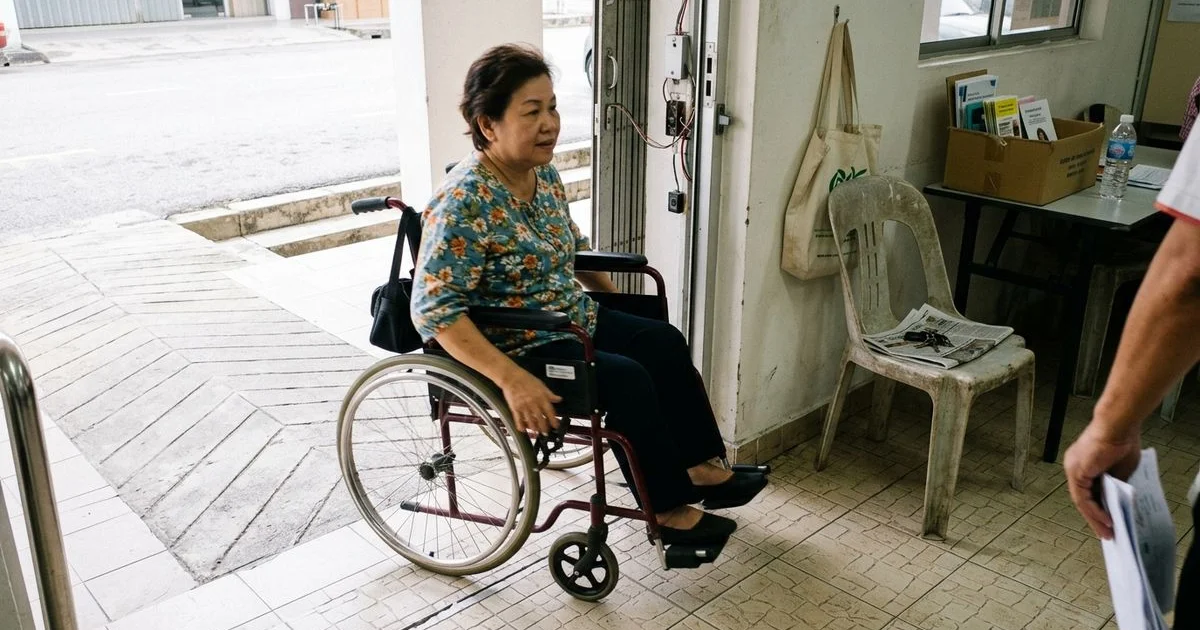
Clinics and healthcare fronts. Hands-free entry means patients, wheelchair users and staff pushing equipment never touch a handle. Sensor or wave-switch activation keeps shared-surface contact out of the entrance entirely, which is why medical premises are our most frequent swing-door installations.
Offices and reception areas. A single hinged leaf with an operator gives a professional entrance in openings too narrow for a sliding system, and integrates cleanly with card-access control for staff doors.

Retail entrances with tight frontages. When the shopfront wall is fully glazed or too short to park a sliding leaf, a swing operator delivers automatic entry without sacrificing display space.
Accessibility upgrades. Existing hinged doorways can be automated in place. The operator mounts above the frame, the original leaf usually stays, and the building gains step-free, hands-free entry without construction work.
The Two Questions That Decide It
Space and traffic — answer these first
One: does the wall beside your opening have room for a sliding panel to park? Two: how many people pass through per hour? No side room points to swing. Heavy continuous traffic points to sliding, if the wall allows it.
A swing leaf needs its arc kept clear — roughly a quarter-circle in front of the door — so tight lobbies where people queue directly in front of the entrance need thought. Traffic direction matters too: swing doors handle steady two-way flow comfortably, but the constant surge of a mall entrance is sliding-door territory. Our choosing swing or sliding guide works through the full trade-off.
Matching the Configuration to the Setting
Within swing systems, configuration follows the use case. Clinics typically take motion sensors with generous hold-open times. Offices pair push-button or access-control triggers with faster cycles. Delivery-heavy premises use hold-open mode through busy windows. And where a door doubles as a fire or escape door, the operator and hardware are specified to release and close correctly under alarm conditions.
Every GW GeWalt swing installation is sized to the leaf weight and wind exposure of the actual doorway, with self-adapting control keeping the speed constant as conditions change. If one of the settings above sounds like your building, send us a photo of the doorway on WhatsApp — we will confirm fit and give you a free quotation, with the RM50 measurement fee deductible on order.