
Start With How Your Bathroom Actually Works
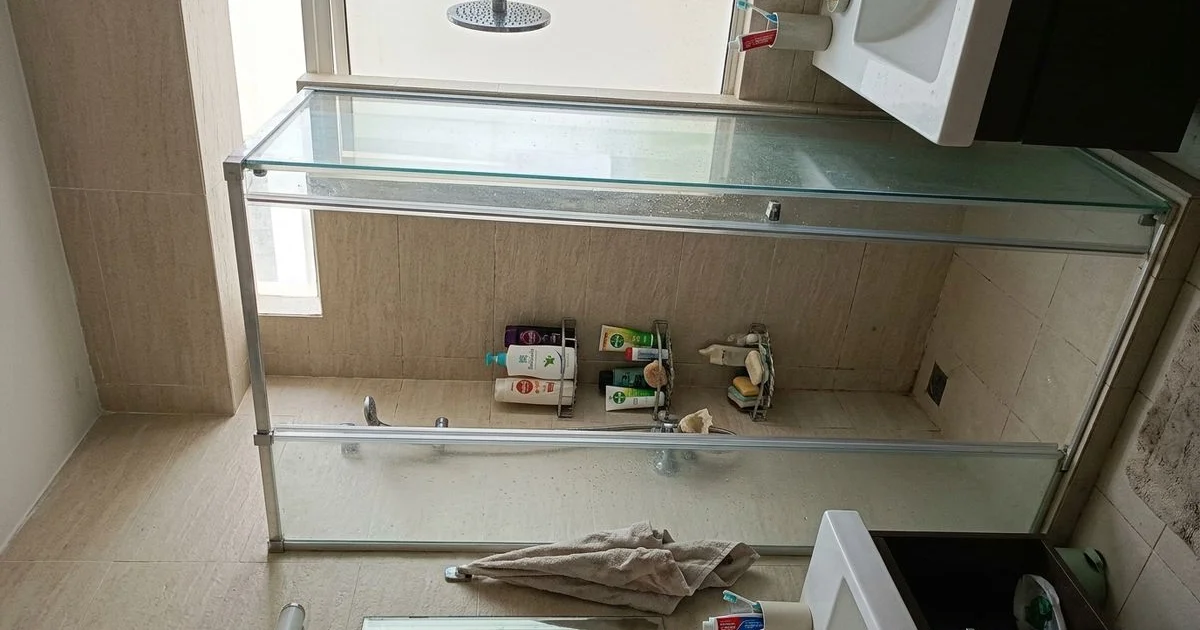
A shower door is chosen with a tape measure, not a catalogue. Three site facts decide most of the specification for shower and folding glass doors: the width of the opening, the clearance around it, and who uses the bathroom daily.
Sliding systems need opening width — one panel glides across another, so the opening must be wide enough for two panel widths side by side. They reward wider alcoves and give the cleanest daily action on quality rollers.
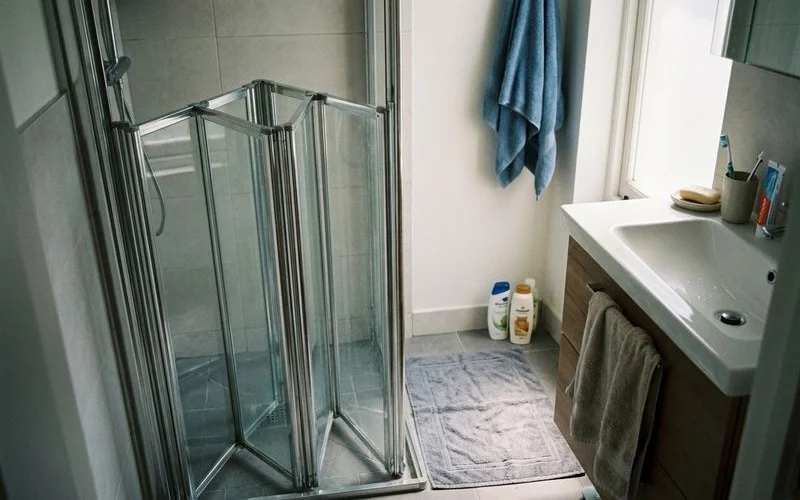
Folding systems need almost nothing. The panels concertina flat against one wall, clearing nearly the full opening. Tight bathrooms, narrow shower entries and layouts where a swinging panel would clash with the toilet or vanity all point folding. Our folding vs sliding comparison goes deeper on the space math.
The Specification That Survives a Wet Room
Glass. Shower panels use tempered safety glass, typically 8mm to 10mm — enough stiffness for the panel size without overloading the hardware. Large frameless doors step to 12mm. Frosted or partially frosted panels add privacy in shared bathrooms.
Hardware. This is where cheap shower doors die. Daily soaking, soap chemistry and humidity destroy ordinary fittings, so everything we install is corrosion-resistant and wet-rated: rollers, hinges, handles and the rubber gaskets that seal the water path.
Fit. Older Malaysian bathrooms are rarely square. Panels fabricated to the actual measured opening — including out-of-plumb walls — seal properly; assumed-square panels leak forever.
Watch the water path, not just the door
A good shower door manages where water goes: gaskets at the panel edges, a sensible threshold, and drainage falls that carry splash back to the trap. We check all three during measurement, because the door is only half of dry.
Getting It Right First Time
The buying sequence is short. Measure — or let us, for RM50 that comes off your order. Choose the action (sliding for width, folding for tightness). Confirm glass finish and thickness. Then let wet-rated hardware and correct sealing do the quiet work for the next decade.
Send us a photo of your bathroom opening with rough dimensions on WhatsApp, and we will recommend the system and quote fabrication and installation together — free delivery within the Klang Valley included.