
The Question Behind the Question
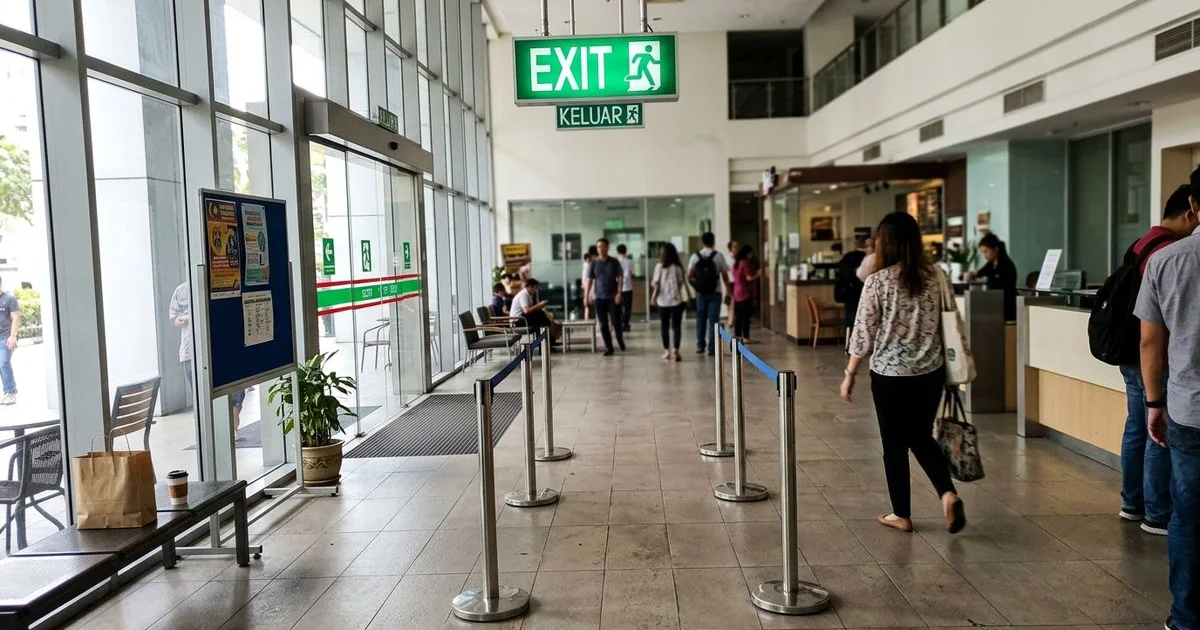
“Do I need breakout doors?” is really asking: does any automatic door in my building sit on a designated escape route? If yes, UBBL egress logic expects that door’s leaves to swing open manually under pressure — which is exactly what emergency breakout doors are built to do. If no, a standard automatic door is fine. Our guide to the UBBL escape-route requirements for automatic doors covers the regulation itself in detail.
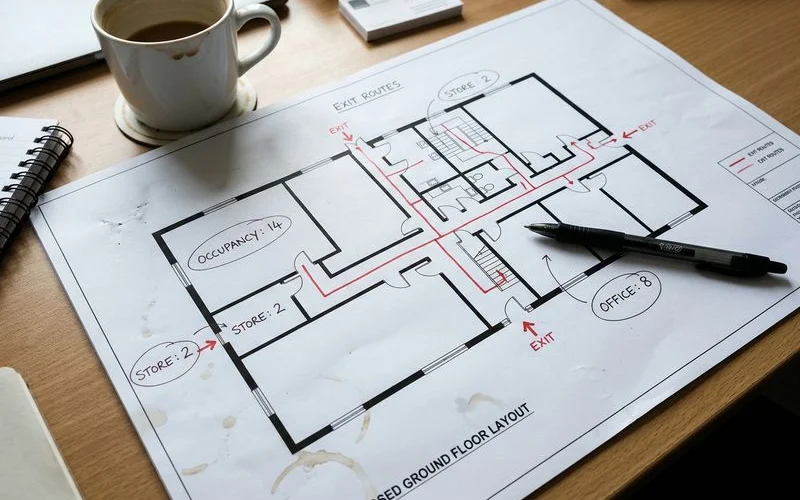
The determination is not yours to make alone, and that is good news: your fire consultant’s submission to BOMBA maps the escape routes and occupancy loads. Your job is knowing when to ask the question.
The Triggers Worth Checking
Building type. Assembly and high-occupancy premises lead the list: shopping malls, supermarkets, cinemas, hotels, hospitals and clinics, schools, offices above modest occupancies, and government buildings. If the public gathers inside in numbers, escape-route doors are part of the design.
Occupancy load. Escape provisions scale with the people the space holds. A five-person boutique and a five-hundred-person exhibition floor sit under the same by-laws but very different requirements.
Door position. Only doors on designated escape routes carry the breakout requirement. A main entrance frequently is one; a secondary service door may not be. The fire plan settles it.
Three signals you should get advice now
You are fitting out premises in a mall or high-occupancy building; your renovation moves or adds an automatic entrance; or a BOMBA inspection has flagged an existing powered door. Any one of these deserves a conversation before money is spent on non-compliant hardware.
What Happens Next If You Do Need Them
The path is short and mostly painless. Your fire consultant confirms the affected doors and required clear widths. We specify breakout leaves and panic exit hardware to match — coordinated with closers, hold-open devices and any fire-rated doorsets through our door hardware specification service. Installation ends with physical breakout testing and the documentation your submission needs.
Retrofits are common: an existing automatic door in good condition can often take breakout hardware without full replacement, which our on-site assessment confirms before you commit.
As a certified installer for Malaysian government and high-security buildings, we have carried dozens of projects through this exact process. Send us your floor plan or a photo of the entrance in question, and we will tell you plainly whether breakout hardware is in your future — and what it will cost if it is.